Leading Kenya’s Green Revolution
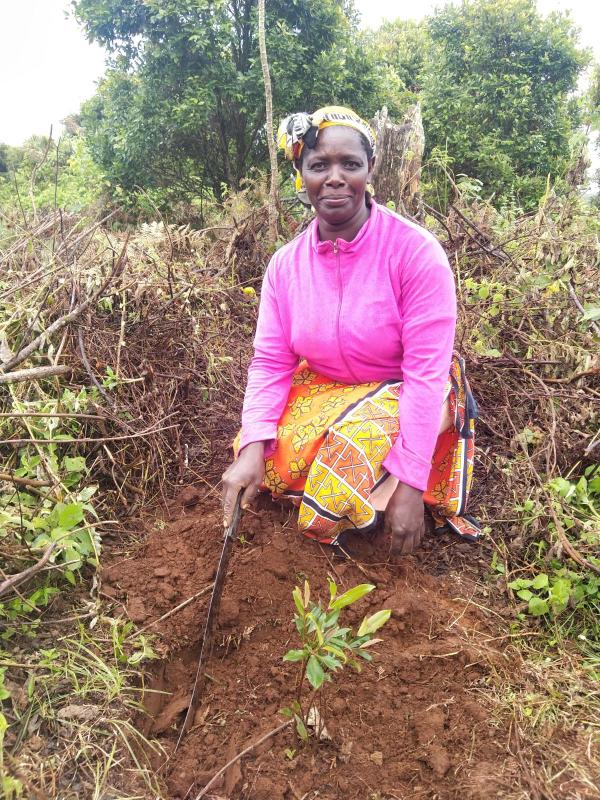
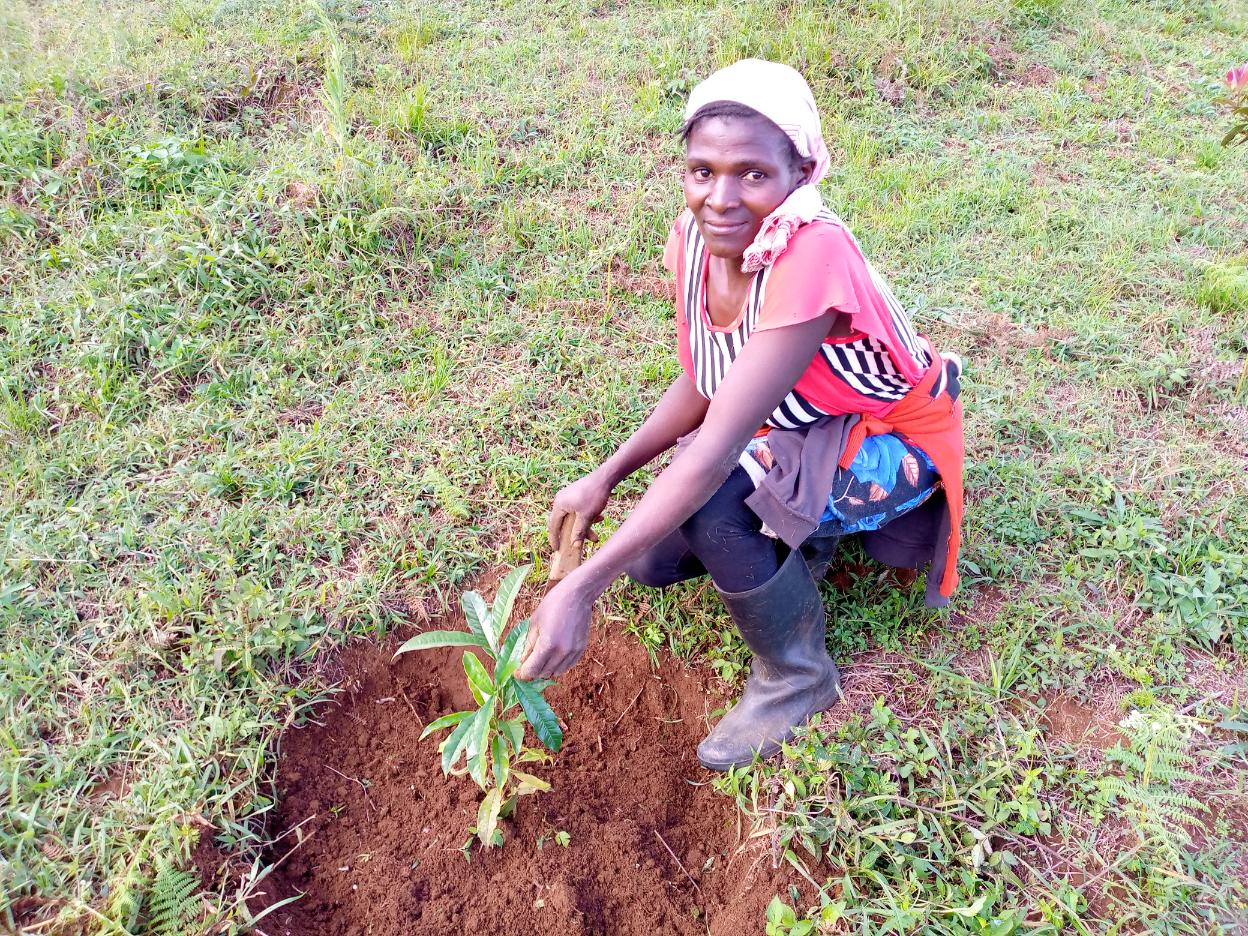
Trees for Kenya is a leading green revolution because it goes beyond simply planting trees and focuses on restoring landscapes, improving livelihoods, and building climate resilience. The organization has mobilized and trained over 30,000 farmers and planted more than 8.2 million trees since 2012, while helping communities shift to agroforestry that supports healthier soils, better yields, and more sustainable incomes.
We are also leading change because our work aligns with Kenya’s wider climate and restoration goals, including the national target to plant 15 billion trees by 2032 and raise forest cover to 30%. By combining tree planting, farmer training, and ecosystem restoration, Trees for Kenya helps reduce carbon emissions, protect biodiversity, and strengthen food security at the same time.
Driving real change in Kenya
Energy Conservation
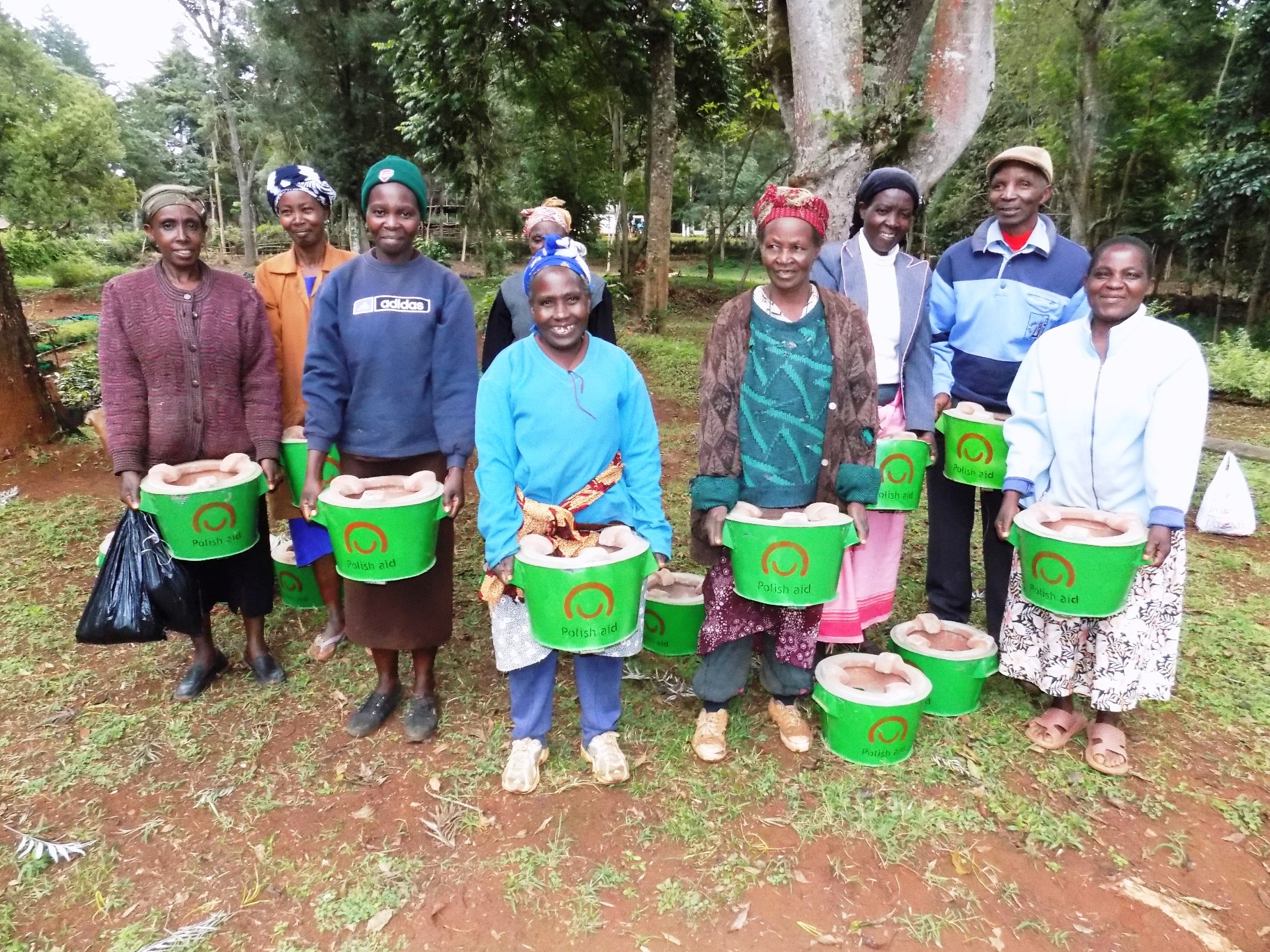
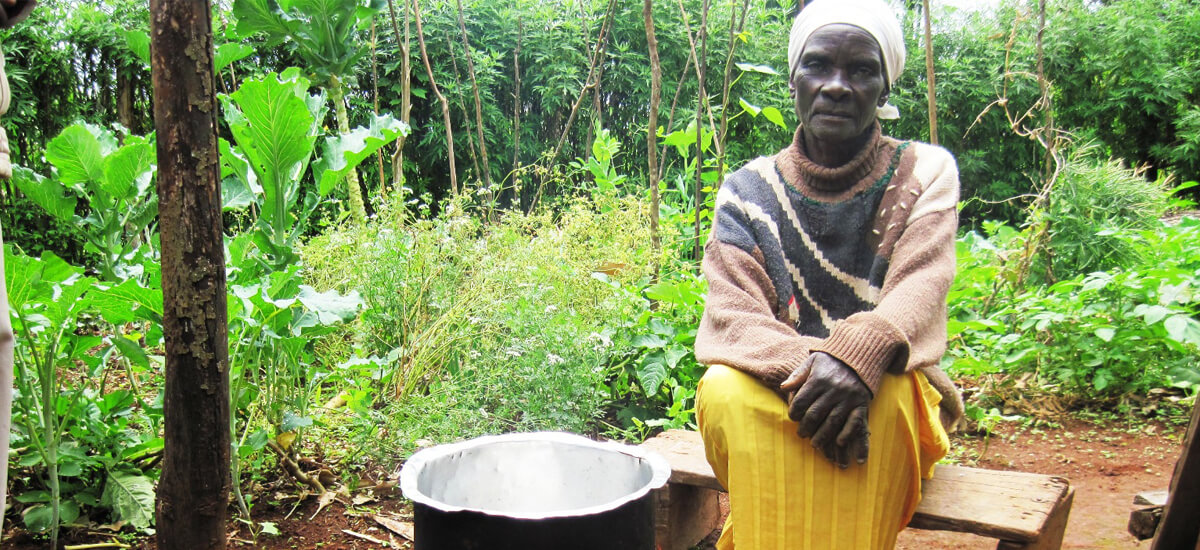
Trees for Kenya supports energy conservation projects primarily by promoting the use of energy-saving stoves aimed at reducing the consumption of fuelwood and the emission of black carbon.
Greening Schools
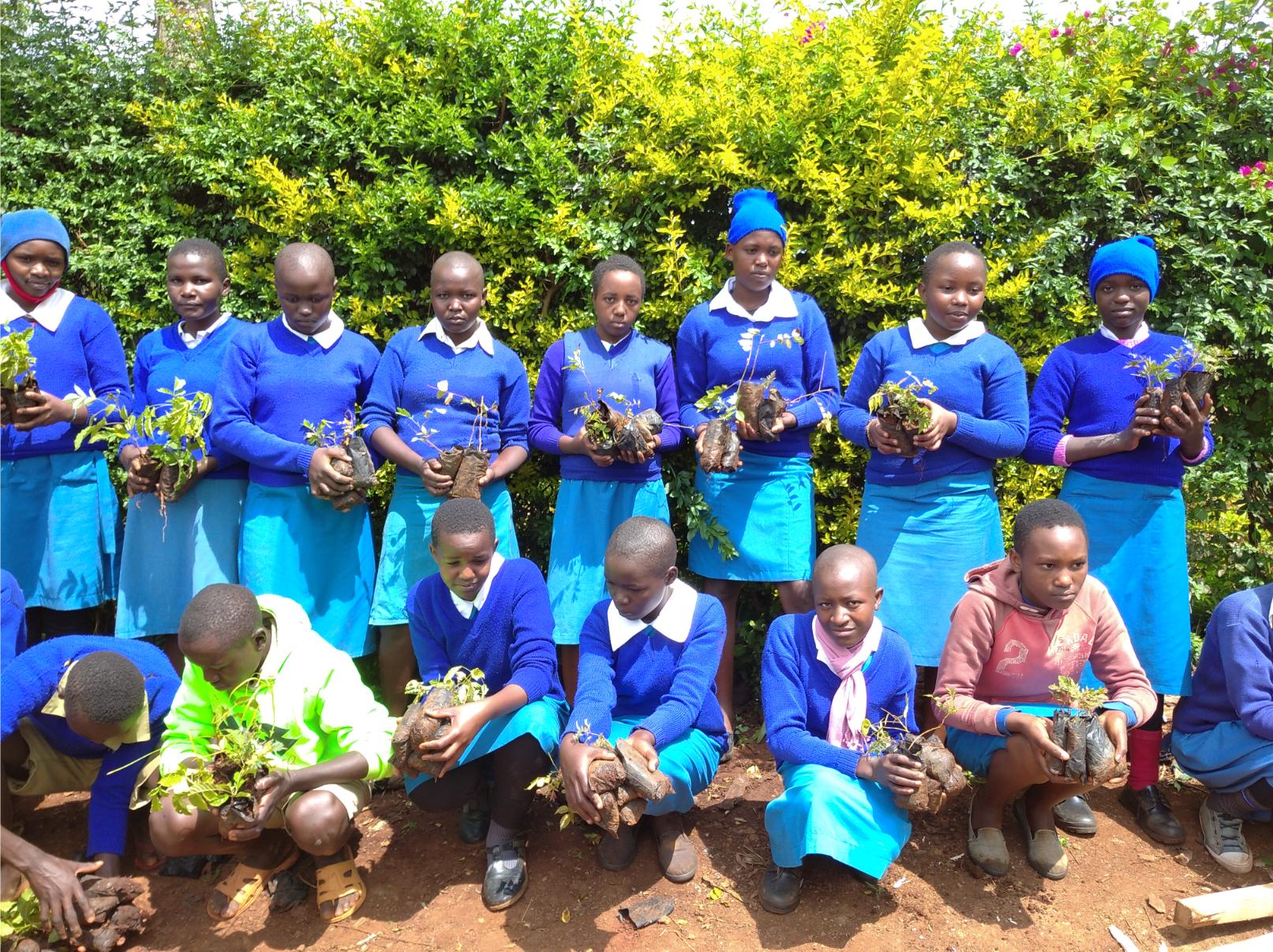
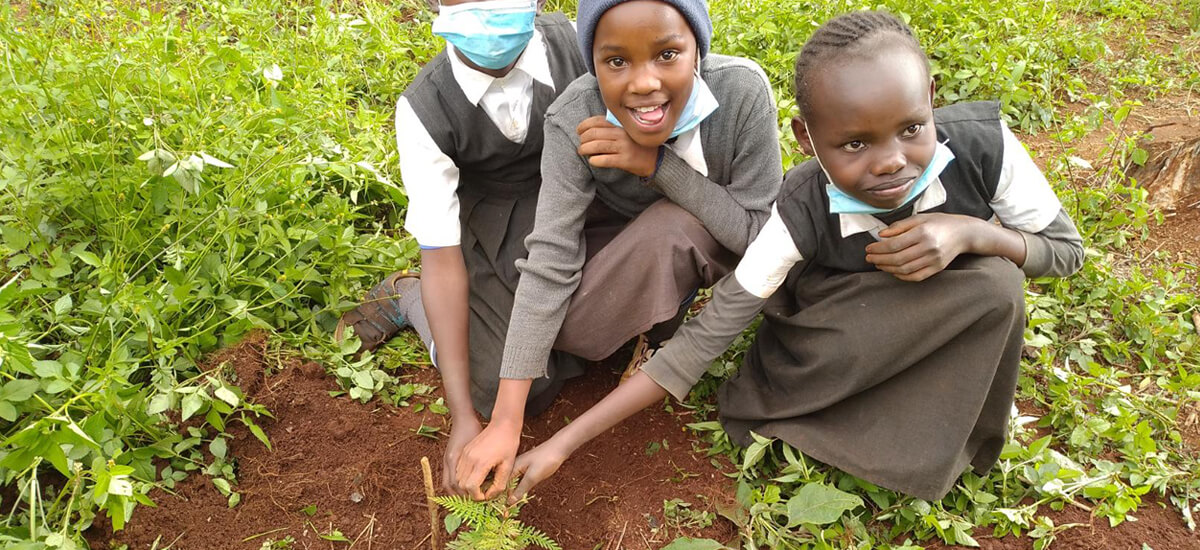
Trees for Kenya supports greening schools programs by working with schools across the country to nurture environmental awareness and action among students and teachers.
Farm Forestry
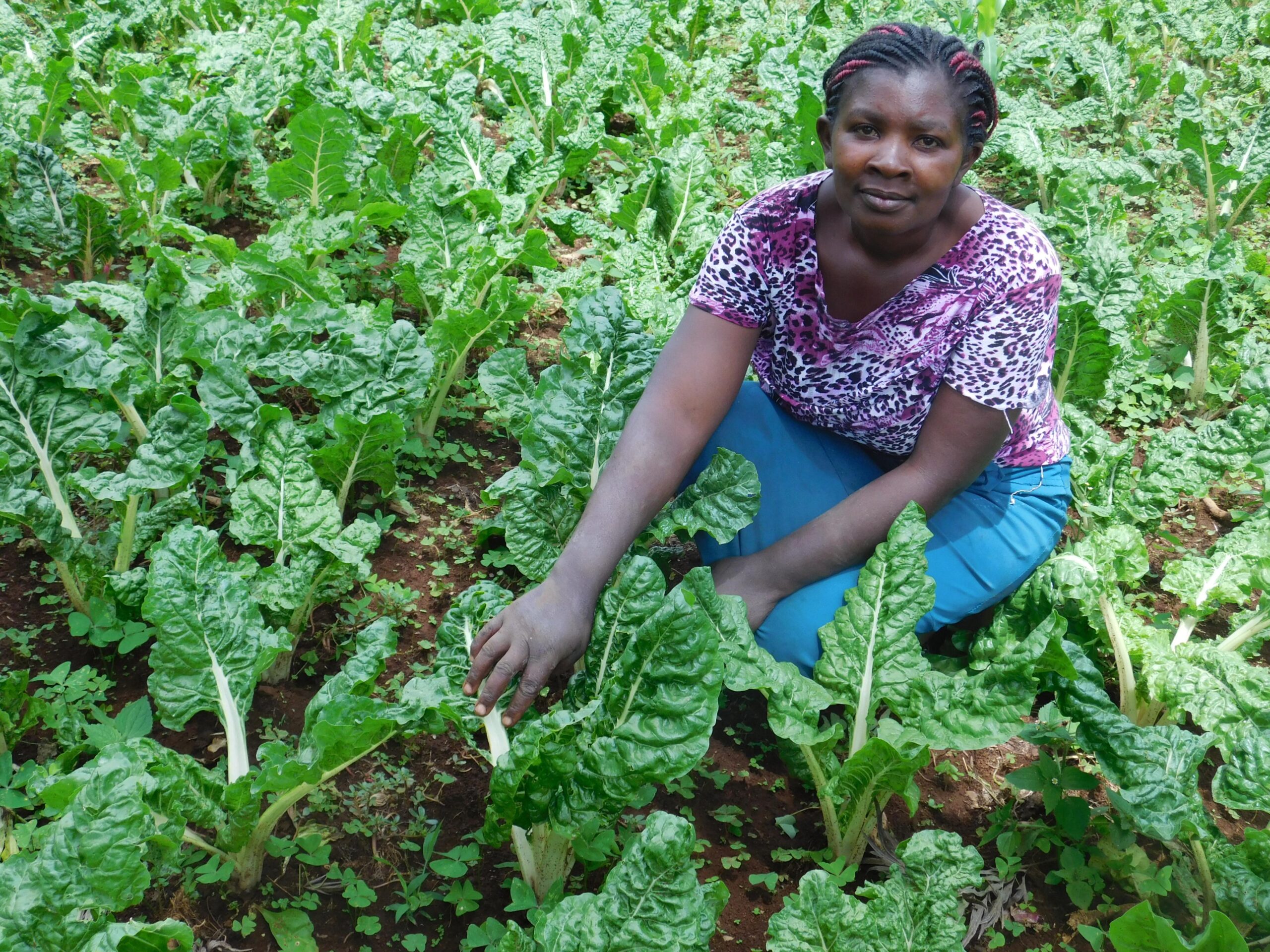
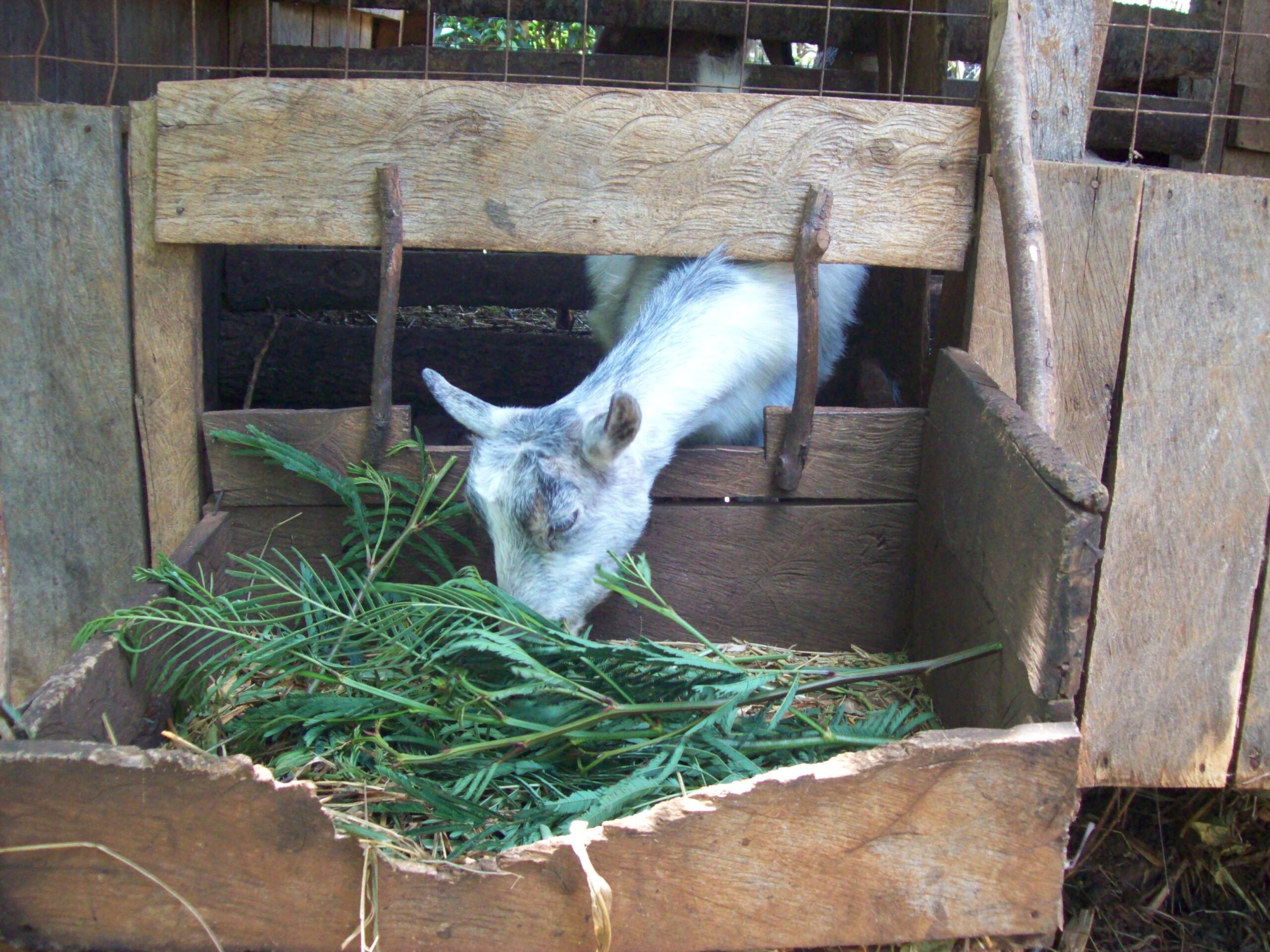
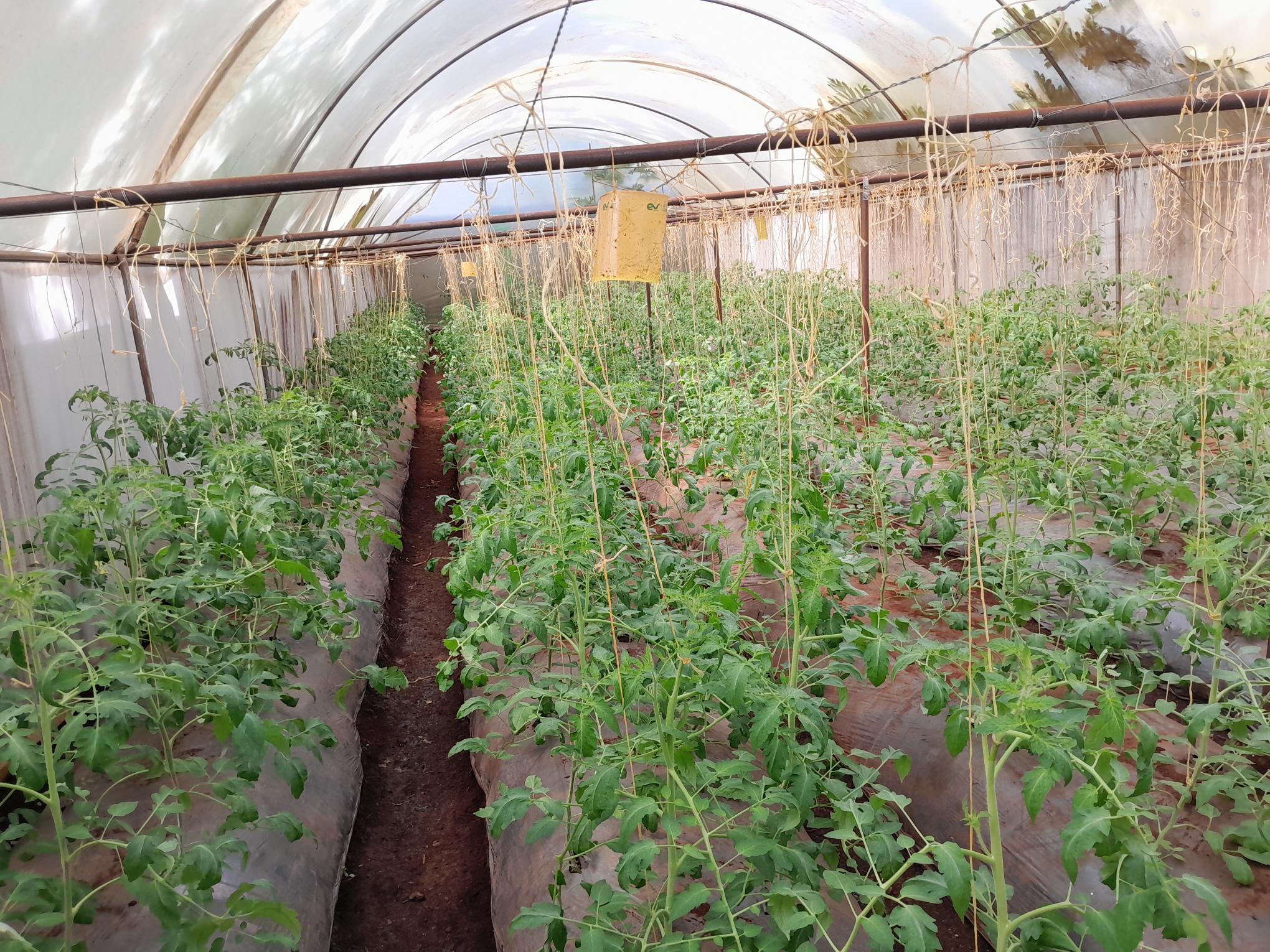
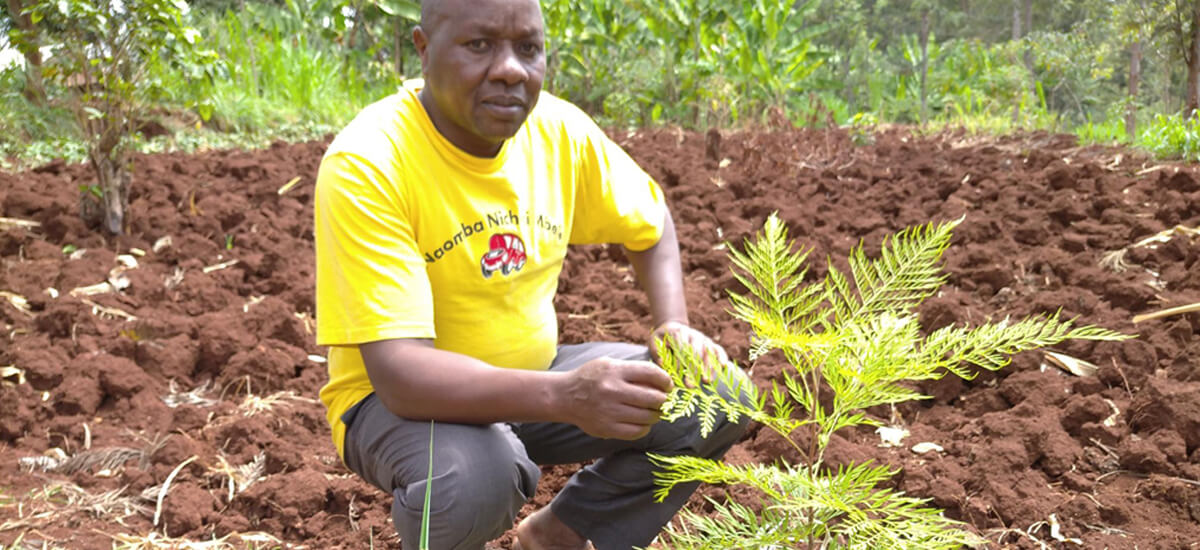
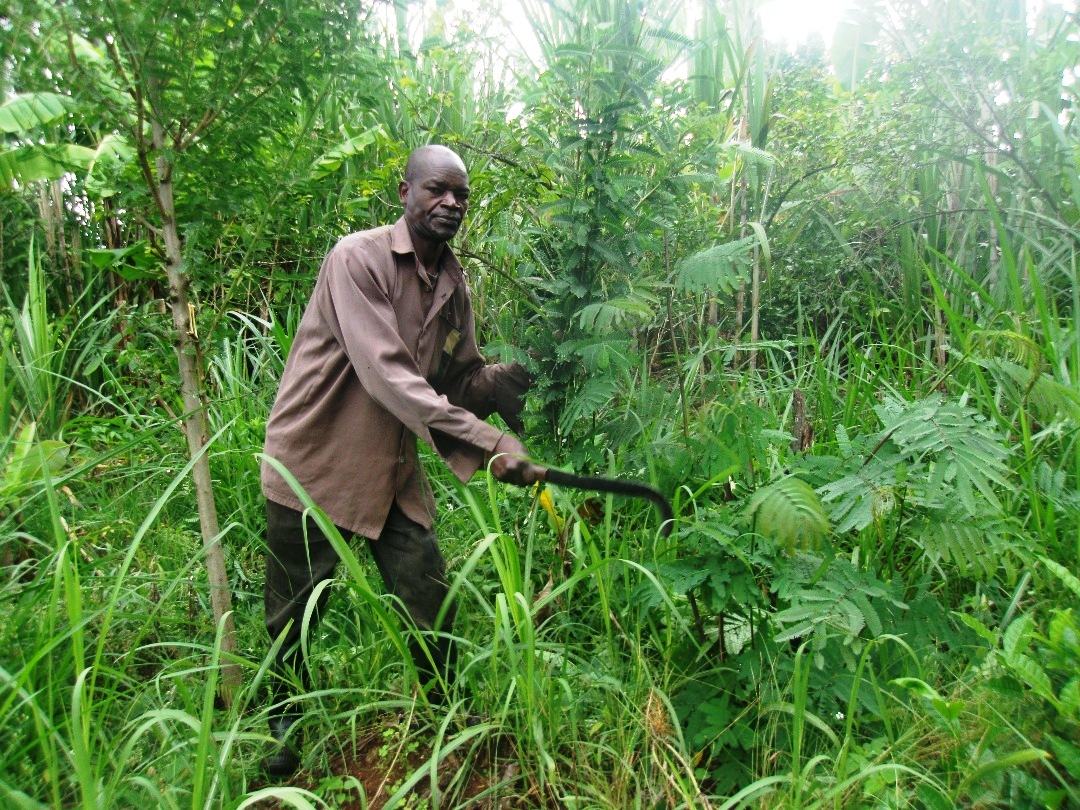
Trees for Kenya supports farm forestry primarily through promoting agroforestry systems that integrate trees onto smallholder farms to improve soil health, productivity, and livelihoods.
Forest Restoration
Trees for Kenya has been actively involved in ambitious forest restoration projects in Kenya and the Mount Kenya region.
What we do today can change tomorrow
Trees for Kenya is building stronger communities, healthier farms, and a more resilient environment. We restore degraded landscapes through tree planting and agroforestry, support farmers with training, and work with schools and communities to promote environmental action.
These efforts matter for the future because every tree planted today can improve soil health, protect water sources, provide fruit and shade, and help absorb carbon over time. Trees for Kenya’s school greening and community projects are designed to create lasting benefits for children, farmers, and local ecosystems. This means our actions today can shape a greener and more secure tomorrow.
Forest Restoration Progammes
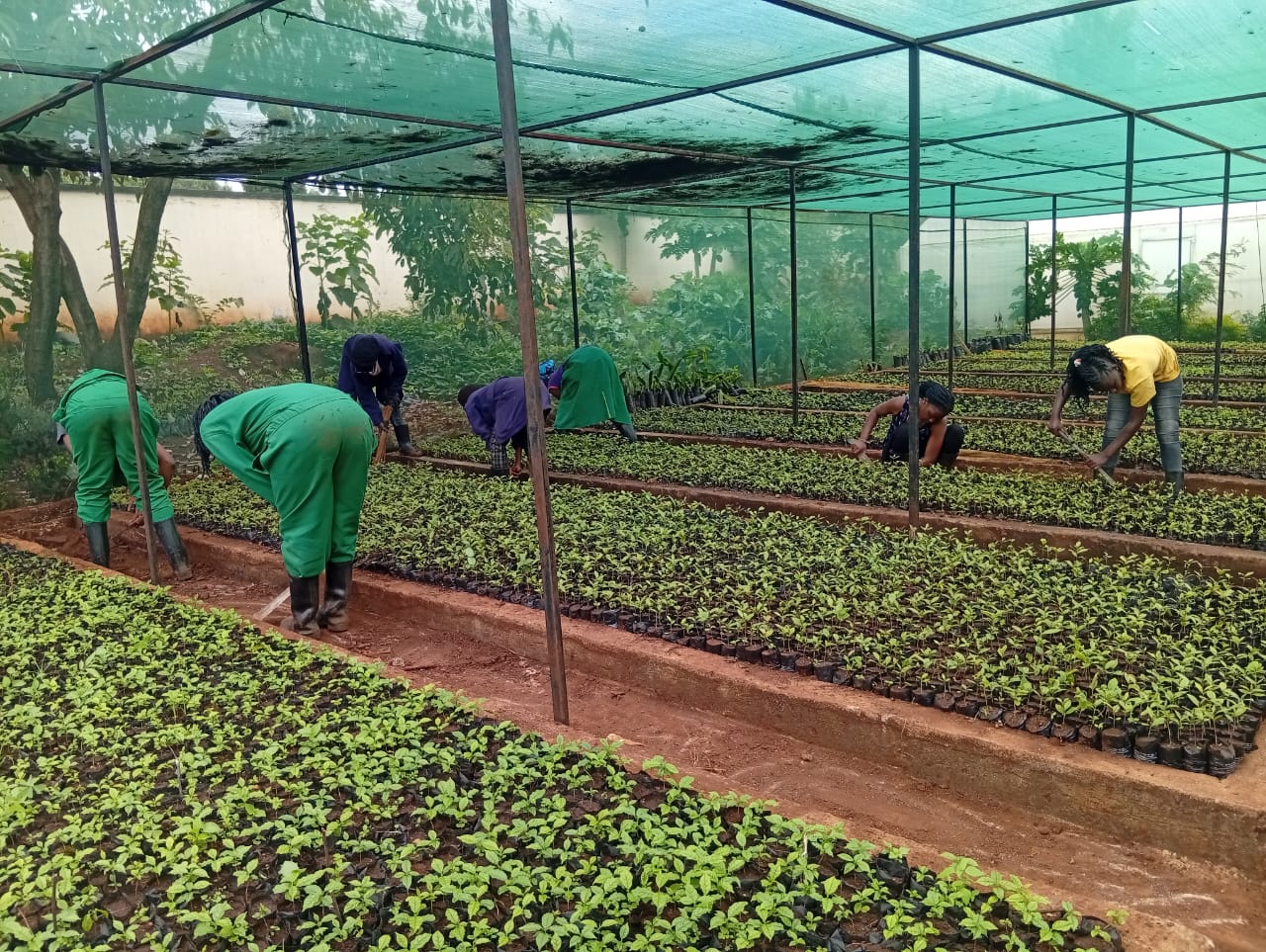
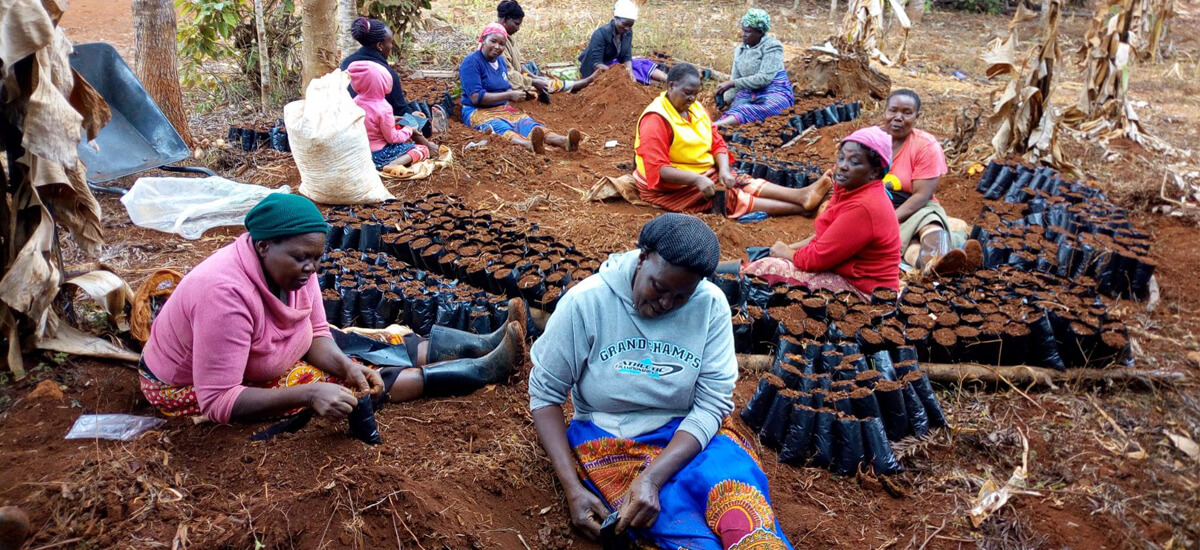
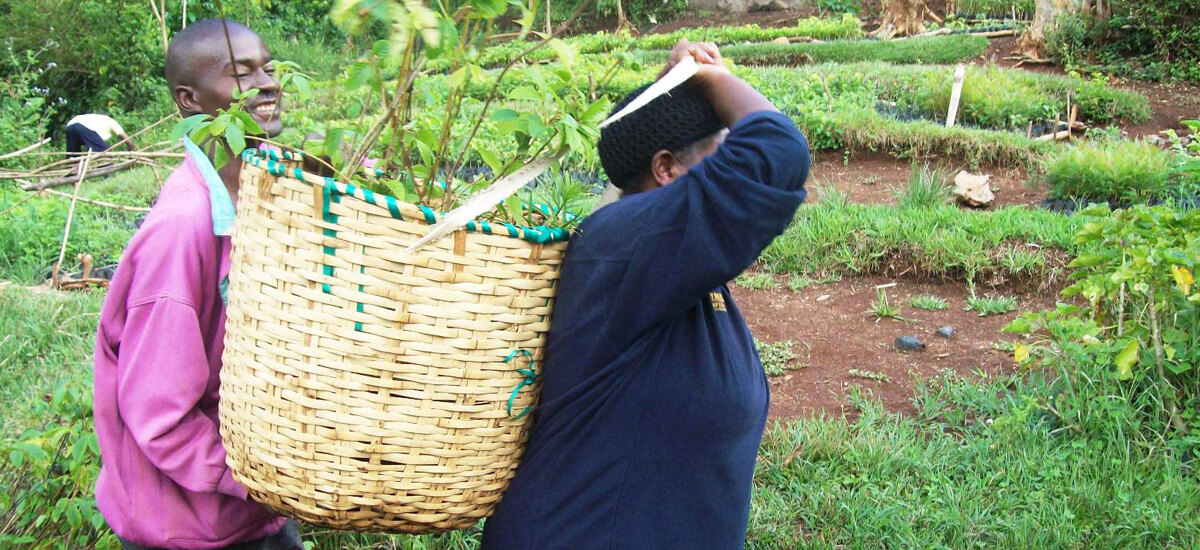
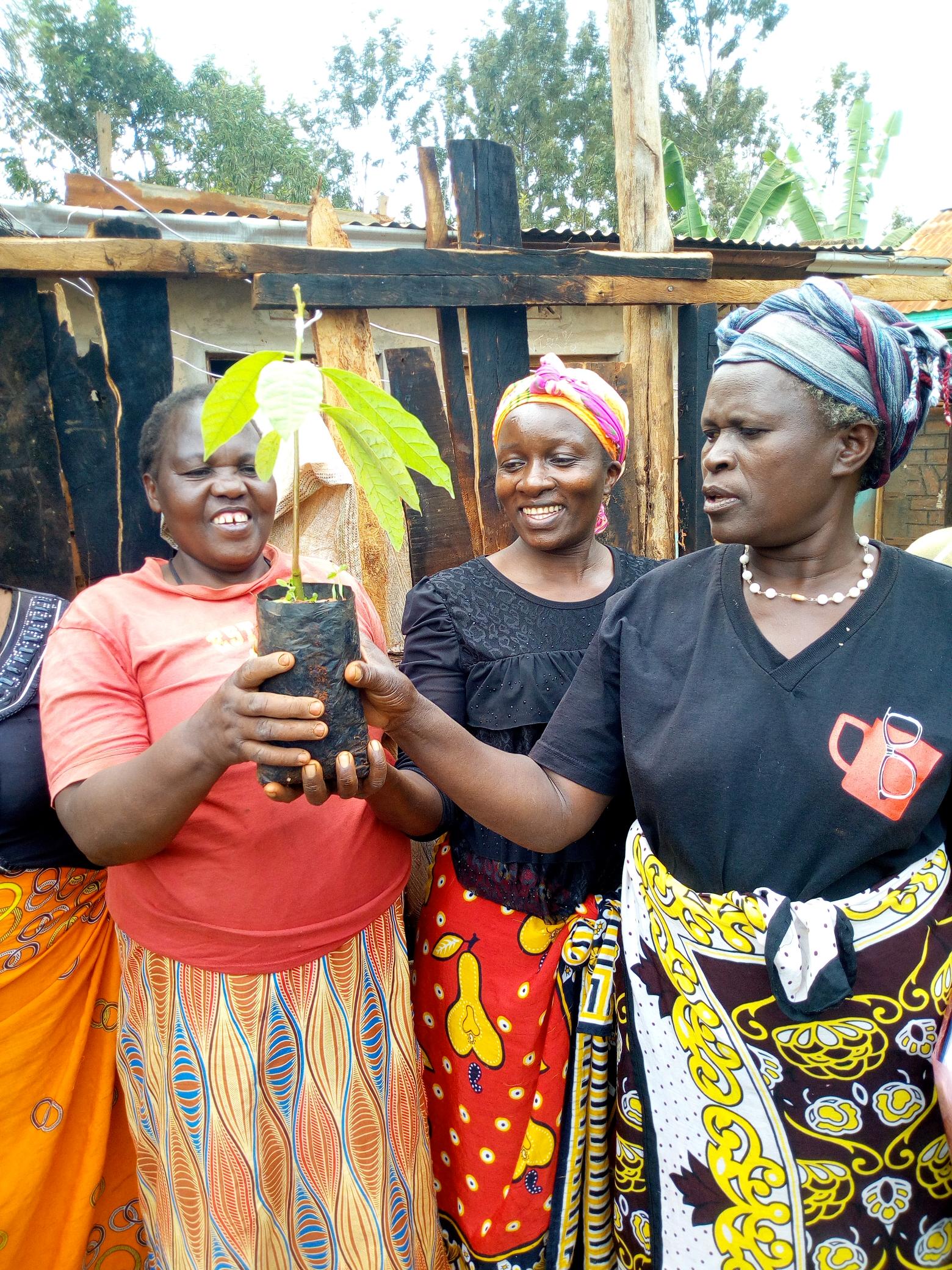
Trees for Kenya supports communities in restoring degraded forest lands by working closely with farmers, local groups, and forest-adjacent communities. The organization helps restore natural ecosystems through tree planting, community nurseries, agroforestry, and school-based conservation activities.treeskenya
This approach does more than grow trees. It helps improve biodiversity, protect water sources, restore soil health, and create better livelihoods for communities living around forests. By involving local people in planting and caring for seedlings, Trees for Kenya increases tree survival and supports long-term forest recovery
Make a Lasting Impact
Join us in restoring Kenya’s natural beauty and combating climate change by planting trees. You can make a meaningful contribution to a greener Kenya by planting at least 50 trees.
You can also support our wide range of tree-planting initiatives across the country, volunteer your time and effort with us, or partner with us as an organization or company to fully sponsor a tree-planting project.
Together, we can nurture nature and build a sustainable future.
Agroforestry support for coffee farmers
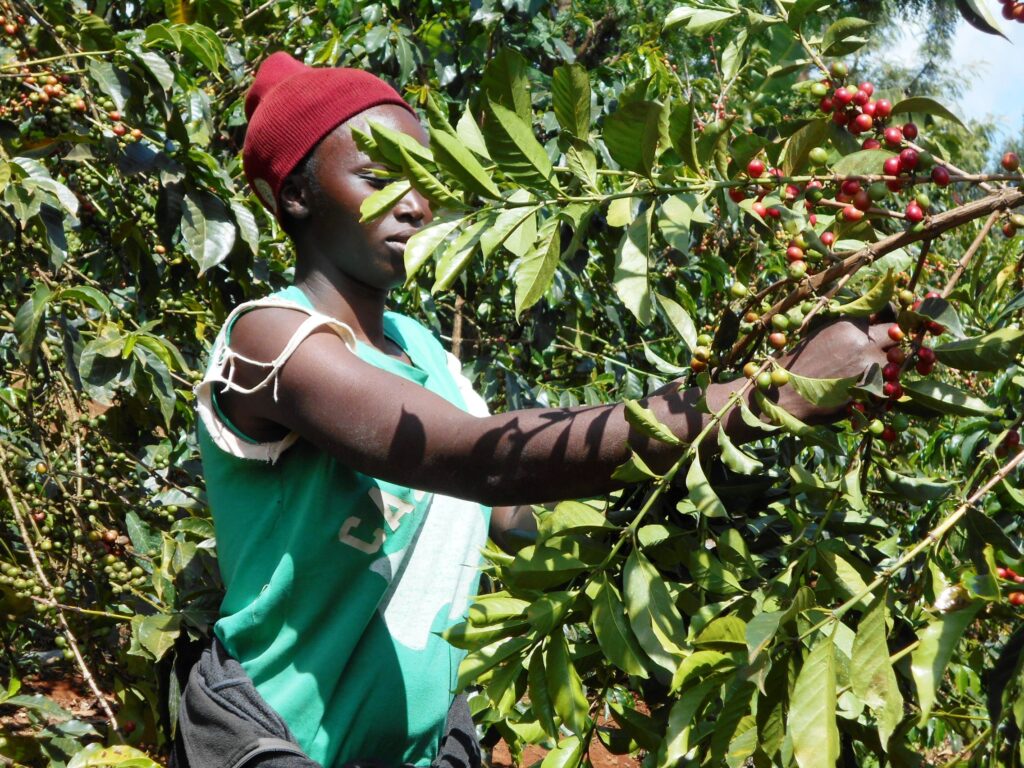
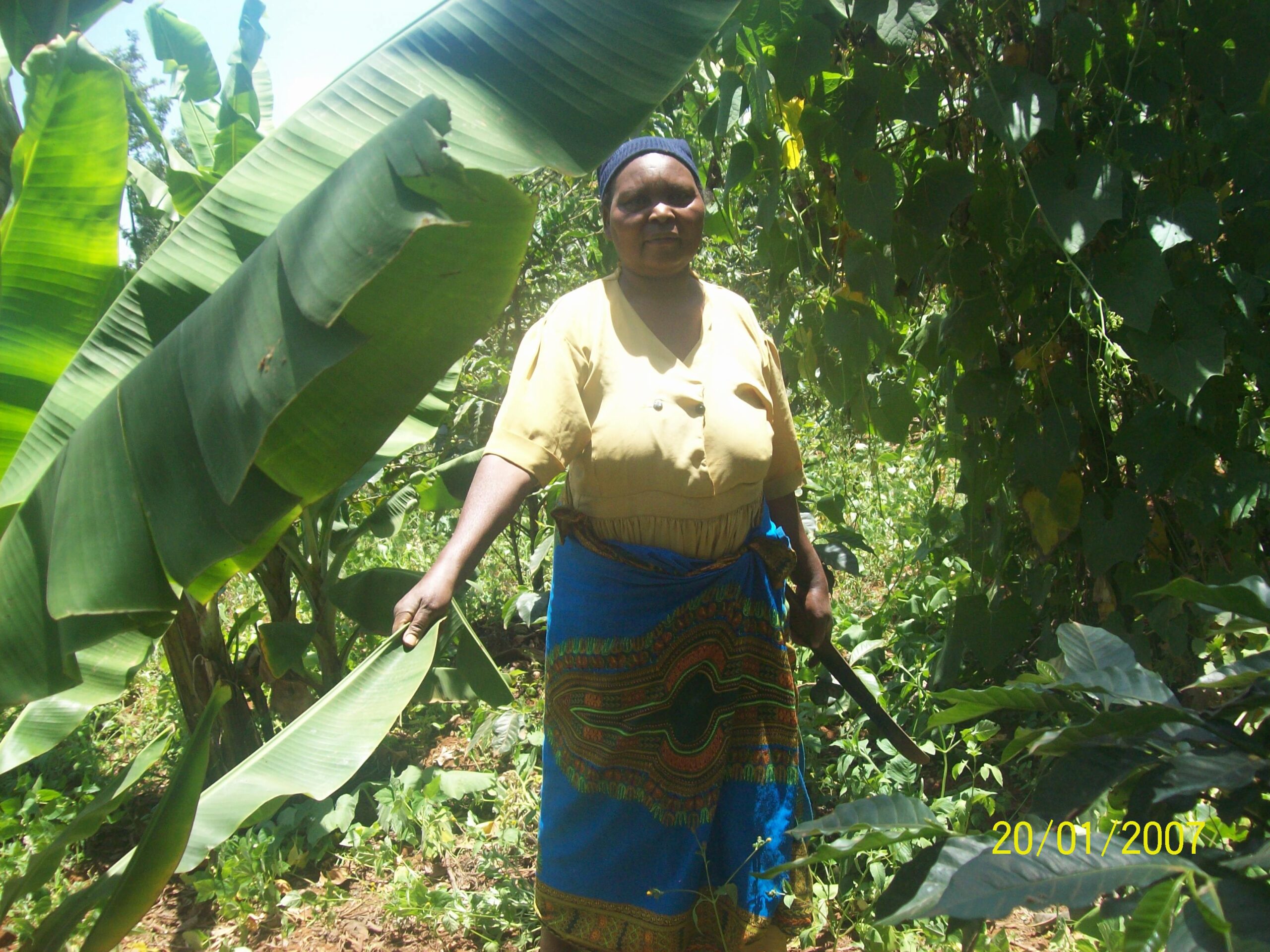
Trees for Kenya has been working with coffee farmers to plant trees on their farms, creating shade, protecting coffee plants from extreme heat and wind, improving soil fertility, reducing erosion, and helping farms retain moisture during dry periods. Trees planted among coffee bushes help create a cooler microclimate that reduces stress on coffee plants and supports more stable growth. Their leaves and roots add organic matter to the soil, which improves soil structure and nutrient levels over time. Deep roots also help anchor the soil, reducing erosion during heavy rains.
Some of the benefits farmers have attained include healthier trees and better soil, which have led to more consistent yields and better coffee quality. The trees have also provided extra income through fruit, timber, fuelwood, and other products, reducing dependence on coffee alone.
Greening schools
Trees for Kenya has supported greening schools programmes, which have created a healthier learning environment for students and teachers. Trees, gardens, and other green spaces have improved air quality, reduced heat, and made school compounds more pleasant and comfortable. A greener school has also given learners a chance to connect with nature, which has helped improve concentration, reduce stress, and promote better mental well-being.Greening schools programmes have also taught students the value of environmental conservation from an early age. When learners take part in planting and caring for trees, they develop responsibility, teamwork, and practical sustainability skills. In addition, green school programmes have helped conserve water, support biodiversity, and inspire students to become future environmental leaders in their communities.